Silence has become one of the most requested formats in the wellness world, and for good reason. But running a proper silent retreat asks far more of a retreat house than a standard programme does. Every creak of a floorboard, every thin wall, every noisy road nearby becomes amplified when guests are asked to spend days without speaking. For organisers, choosing the venue is not a background decision — it is the single factor most likely to determine whether the silence actually holds.
Demand for this format has grown sharply among UK audiences over the past few years. Burnout, screen fatigue, and an increasingly noisy digital culture have made structured silence feel less like a niche spiritual practice and more like a practical reset. But that growing demand has also made good venues harder to find and, in the most established regions, considerably more expensive.
What silence actually demands from a venue
A retreat built around silence needs a very different kind of infrastructure to a typical yoga or wellness break. This is not simply a quieter version of a normal retreat — the physical layout, staffing, and daily rhythm all need to be designed around the absence of conversation.
Key requirements include:
- Single-occupancy rooms with proper sound insulation, so guests are never forced into unwanted proximity or eye contact with someone they cannot speak to
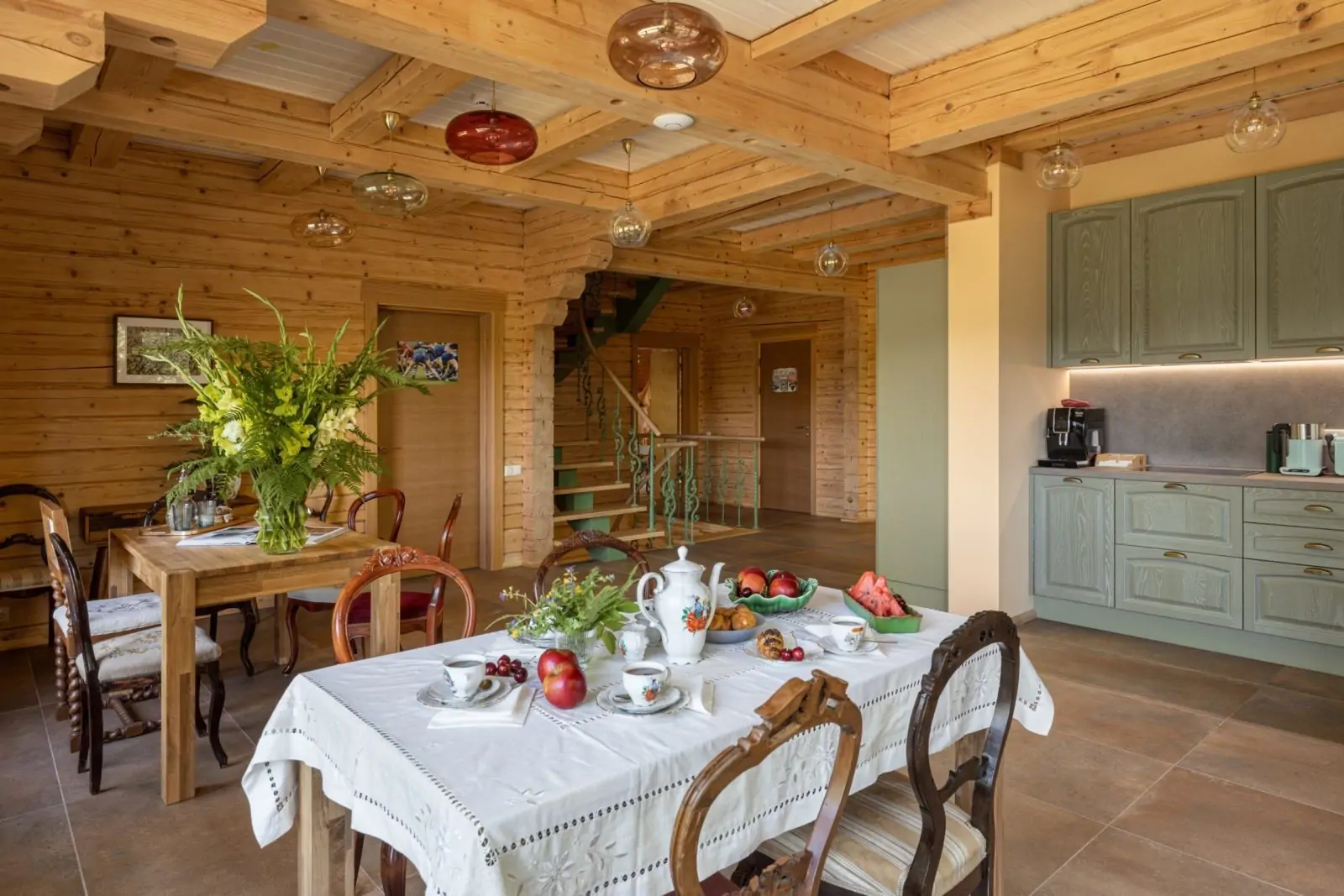
- Generous communal spaces — dining halls, meditation rooms, and lounges large enough that people can move around without brushing past one another
- Extensive outdoor grounds, ideally forest, coastline, or open countryside, giving guests somewhere to walk or sit without encountering traffic, villages, or other groups
- Separate arrival and departure logistics, so the silence isn’t broken by new guests checking in mid-programme
- Trained staff who understand how to serve meals, manage schedules, and handle emergencies without disrupting the atmosphere
- Minimal ambient noise — no nearby roads, building works, or overlapping events on the same property
- Clear sightlines and signage, so guests can navigate the building and grounds without needing to ask anyone for directions
Miss even one or two of these, and the format tends to unravel quickly — a single thin wall or an unexpectedly busy neighbouring property can undo days of careful planning.
The trouble with well-known retreat regions
Established retreat destinations across Western and Southern Europe are well equipped for group wellness holidays, but silence is a different discipline. Popular properties in these regions are frequently booked back-to-back with louder, more social programmes, and true acoustic and spatial isolation is hard to guarantee. Owners with a strong existing reputation for yoga or fitness retreats are not always willing to restructure their format, staffing, or pricing around a genuinely silent programme.
On top of that, demand has pushed prices up sharply in the most fashionable regions. Organisers are often paying premium rates for venues that were never really designed with silence in mind, simply because the location is well known and easy to market.
Why the Baltics suit silent retreats particularly well
Latvia and the wider Baltic region offer something increasingly rare in Europe: genuine, unforced quiet. Vast pine forests, still lakes, and low population density mean that silence here is not something a venue has to engineer — it is simply the natural state of the landscape. Guests arriving from busy UK cities often describe the stillness as immediate and physical, well before any formal practice begins.
The financial case is equally strong. Property and catering costs in Latvia remain considerably lower than in the more saturated retreat markets further west, which means organisers can offer longer programmes, smaller group sizes, or more generous single-occupancy pricing without inflating the overall cost for guests. Flights from the UK into Riga are short and reasonably priced, and most rural properties are within one to two hours of the airport, keeping logistics simple for international arrivals.
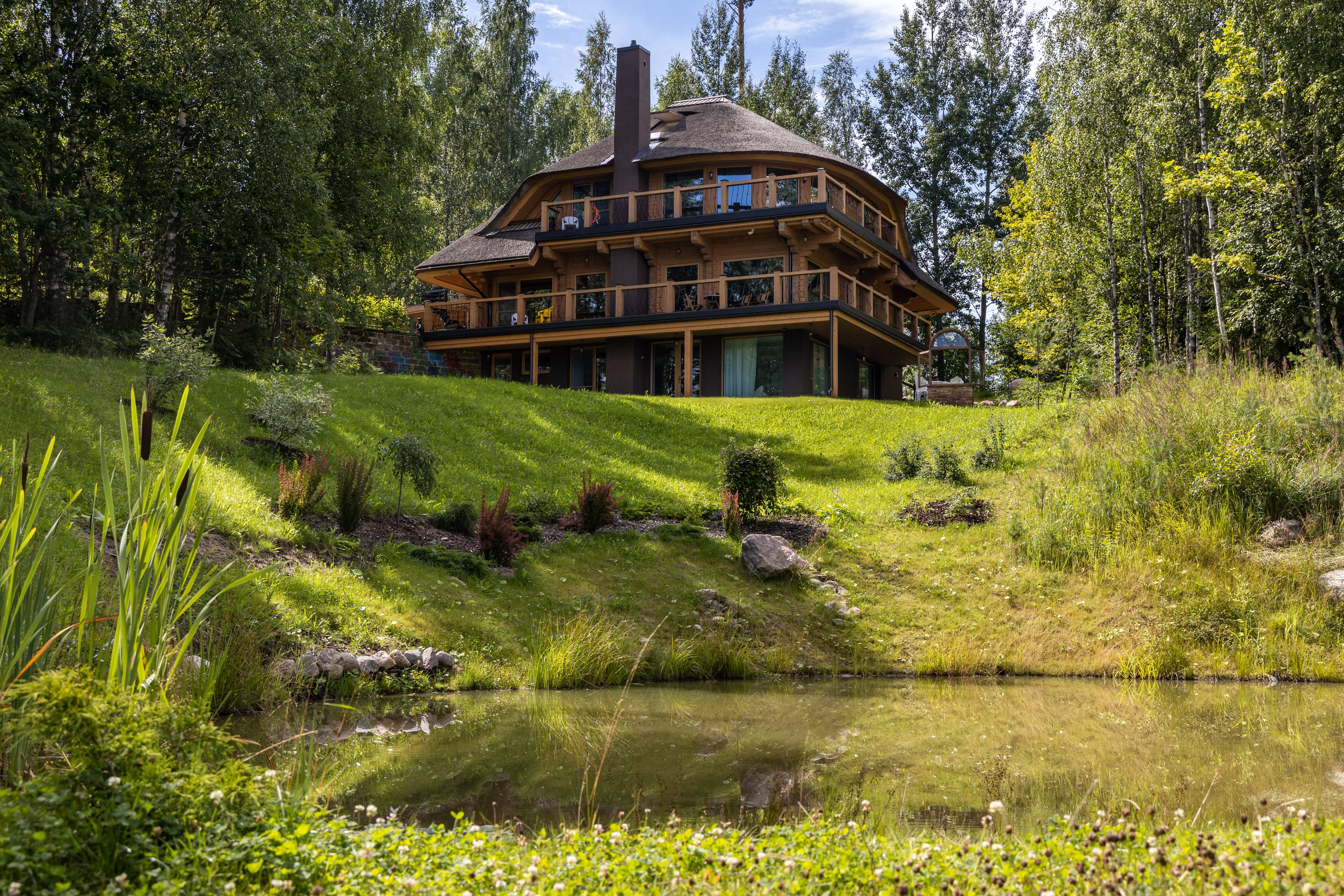
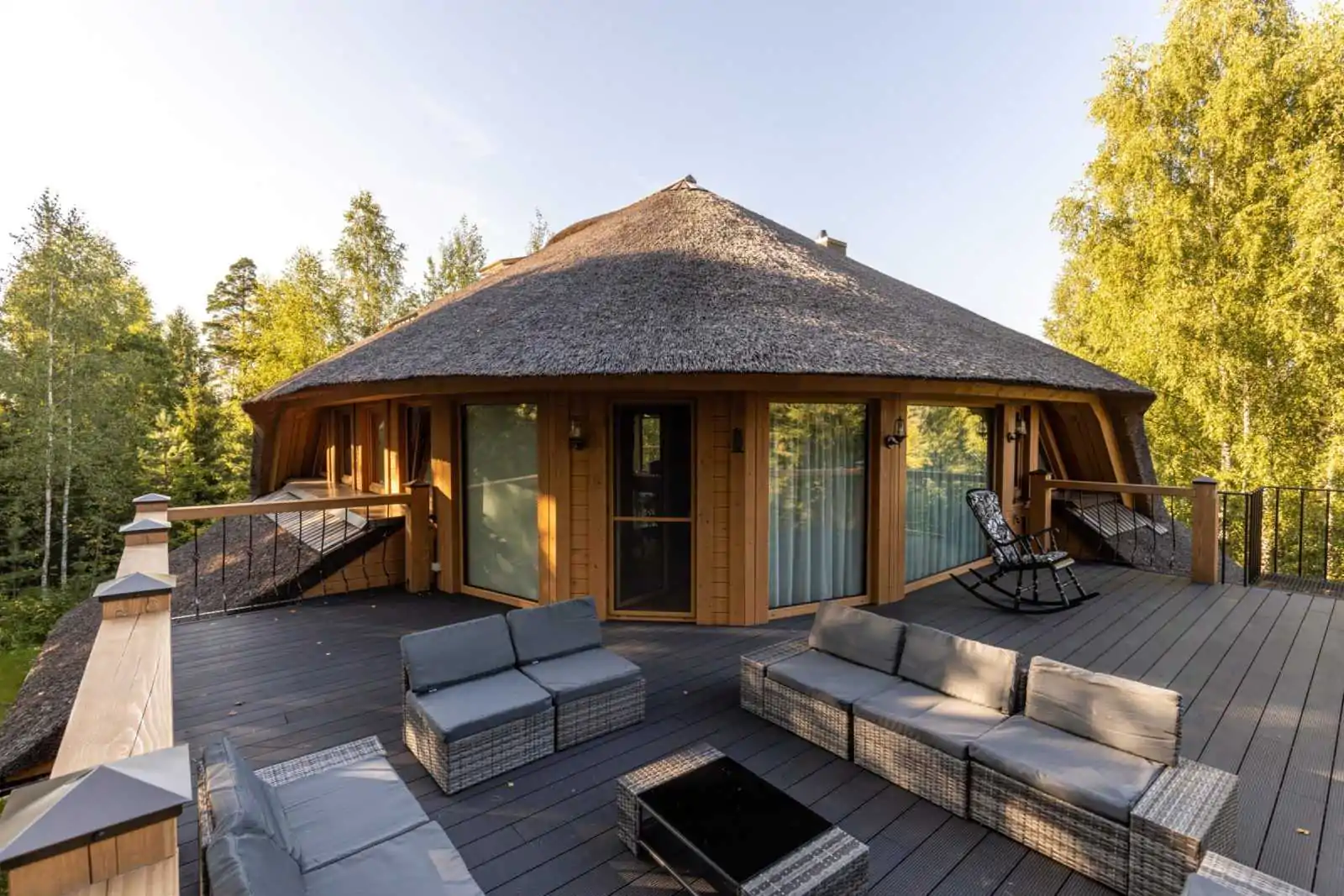
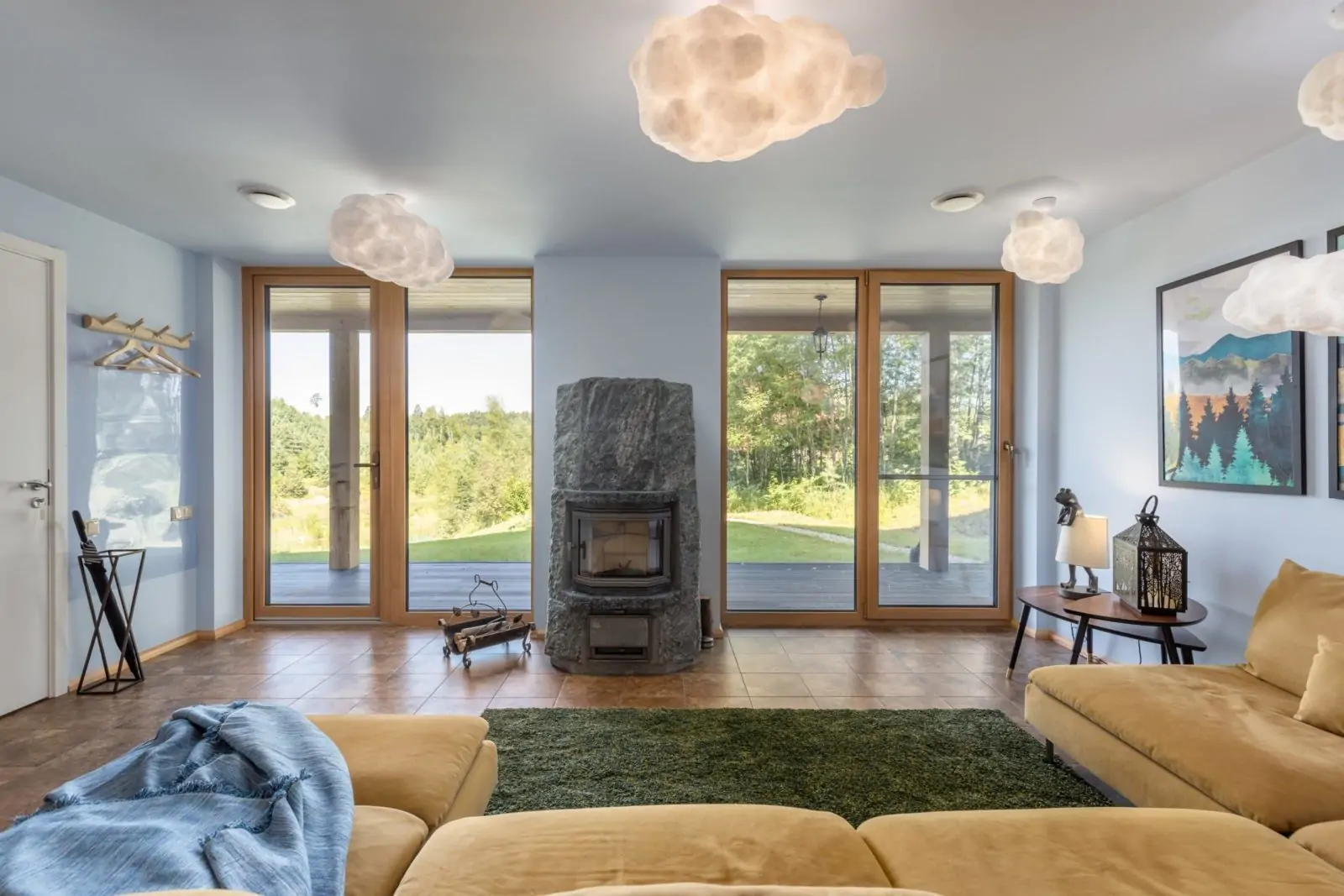
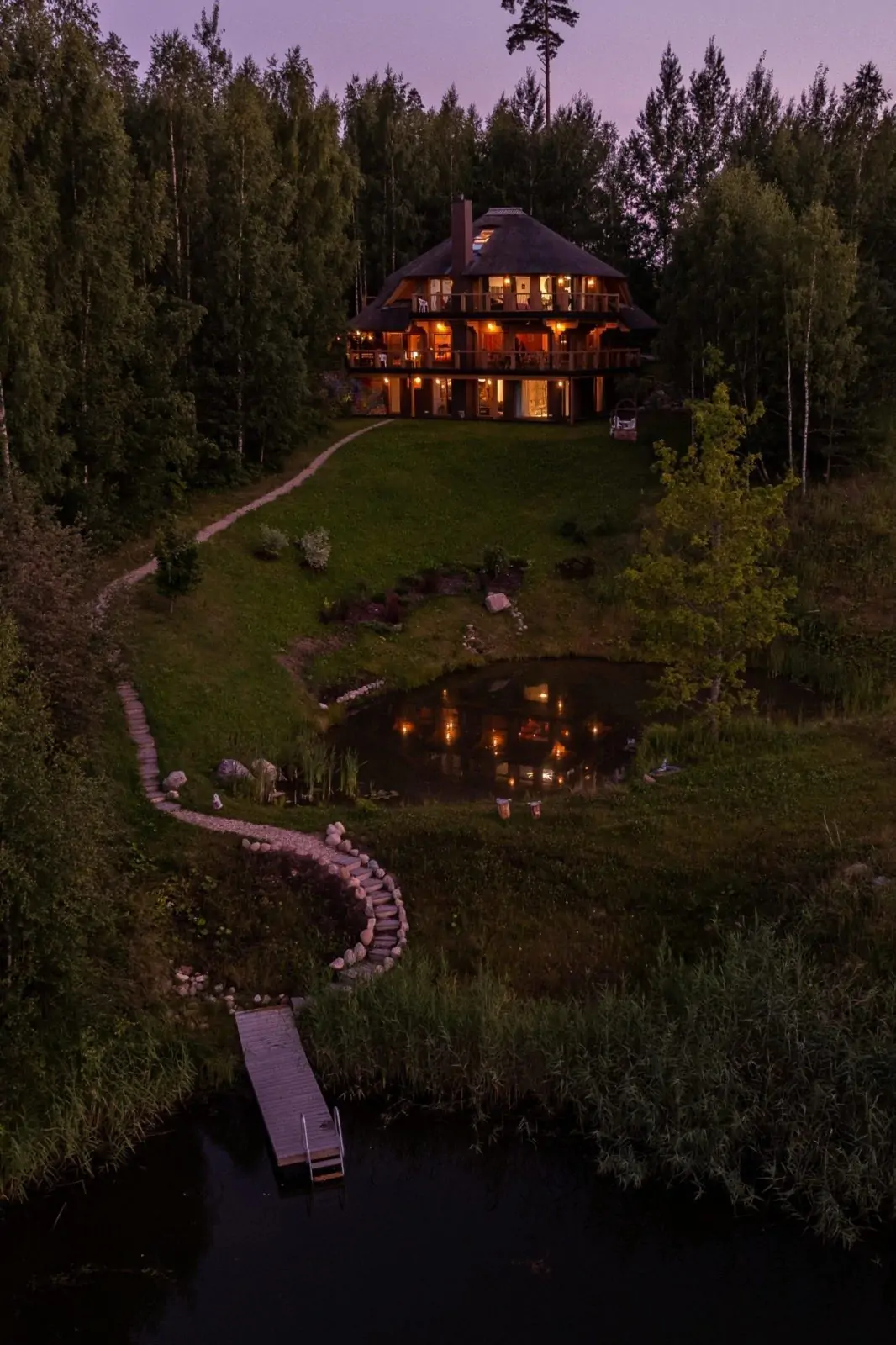
Narbuli Retreat House, tucked into Latvia’s forest countryside, is a good example of what this region can offer a silent programme specifically. The layout allows for genuine separation between guests, the surrounding woodland provides natural walking routes ideal for silent practice, and the relative remoteness — without being difficult to reach from Riga — gives organisers the kind of undisturbed setting that silent work depends on.
What UK organisers should check before booking
Before committing to any venue for a silent retreat, it is worth working through a short checklist rather than relying on photographs and marketing copy alone:
- Are rooms genuinely soundproofed, or simply spaced apart?
- Is there enough outdoor land for guests to walk freely without encountering other visitors or the public?
- How close is the nearest road, and how much ambient noise carries after dark?
- Has the venue hosted silent programmes before, or would this be a new format for their staff?
- Can catering accommodate dietary restrictions without requiring guests to communicate directly with kitchen staff?
- What is the cancellation and rebooking policy, given how weather-dependent outdoor silent practice can be?
- Is there a quiet, private space for the rare guest who needs to break silence for a genuine emergency?
The bottom line
For UK-based organisers weighing cost, quality, and genuine quiet, Latvia and the Baltic region offer a combination that is becoming harder to find elsewhere in Europe. Lower costs mean more flexibility in programme design, the landscape does much of the atmospheric work for free, and properties such as Narbuli show that the practical infrastructure silent retreats require is already there — without the premium price tag attached to more established Western European venues.
